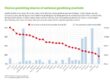

The UK’s entertainment scene is undergoing a significant transformation, with mobile gaming emerging as a dominant force. According to a recent survey, 71% of British gamers now play on their mobile devices, up from 55% just two years ago.
Understanding the Rise of Mobile Gaming in the UK
So, what’s driving this surge in mobile gaming popularity? One key factor is the growing accessibility of smartphones and tablets. With more people owning mobile devices than ever before, it’s no surprise that gaming on these platforms has become increasingly appealing.
Another factor is the rise of hyper-casual games, which offer short, snackable experiences that can be easily played during commutes or breaks. In fact, a recent study found that 62% of UK gamers prefer playing games that can be completed in under 30 minutes, making hyper-casual titles a perfect fit for the modern mobile gamer.
The accessibility of smartphones has also made it easier for players to transition from mobile gaming to online gaming and casino entertainment, such as the immersive world of jokabet, where they can experience a wide range of genres and gameplay styles.
The Impact of Mobile Gaming on the UK’s Entertainment Landscape
As mobile gaming continues to grow in popularity, it’s having a significant impact on the UK’s entertainment landscape. Traditional forms of entertainment, such as TV and cinema, are facing increased competition from mobile gaming.
A recent report found that the average Briton now spends around 2 hours and 45 minutes per day consuming media, with mobile gaming accounting for a significant chunk of this time. This shift in consumer behavior is forcing entertainment companies to rethink their strategies and adapt to the changing landscape.
Interestingly, the rise of mobile gaming is also having a positive impact on the UK’s economy. According to a recent study, the UK’s mobile gaming industry is projected to generate £1.4 billion in revenue by 2025, up from £600 million in 2020.
Connecting to the Wider World of Online Gaming
While mobile gaming continues to grow in popularity, there are also challenges ahead. One key issue is the increasing concern around screen time and its impact on mental health. As a result, many gamers are seeking out more mindful and responsible gaming experiences.
Another challenge is the growing competition from international gaming markets. The UK’s mobile gaming industry will need to adapt to stay competitive, potentially through the development of more innovative and engaging content.
Despite these challenges, there are also opportunities for growth and innovation. With the rise of 5G networks and the increasing adoption of cloud gaming, the UK’s mobile gaming industry is poised for significant growth and expansion.
Conclusion
Mobile gaming has taken center stage in the UK’s shifting entertainment landscape, and it’s clear that this trend is here to stay. As the industry continues to evolve, it will be exciting to see how mobile gaming shapes the UK’s entertainment scene in the years to come.